ProjectsAfricaDR CongoVirunga Conservation Project
Virunga Conservation Project
GOAL OF THE PROJECT

To conserve and manage the threatened wildlife of Virunga National Park in partnership with the Congolese Wildlife Authority, neighbouring communities and other stakeholders.

PROJECT AREA

Status: National Park, IUCN Category II Established 1925, the first in Africa World Heritage Site 1979, on Danger List since 1994 Ramsar Site 1996
Geographical Location: North-east DRC, bordering Uganda and Rwanda (0°55'N -1°35'S and 29°10 - 30°00'E)
Size: 7,900 km². Transboundary with Rwenzori Mountains NP (Uganda), Parc National des Volcans (Rwanda) and Mgahinga Gorilla NP (Uganda).

BACKGROUND

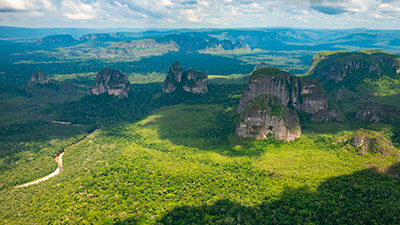
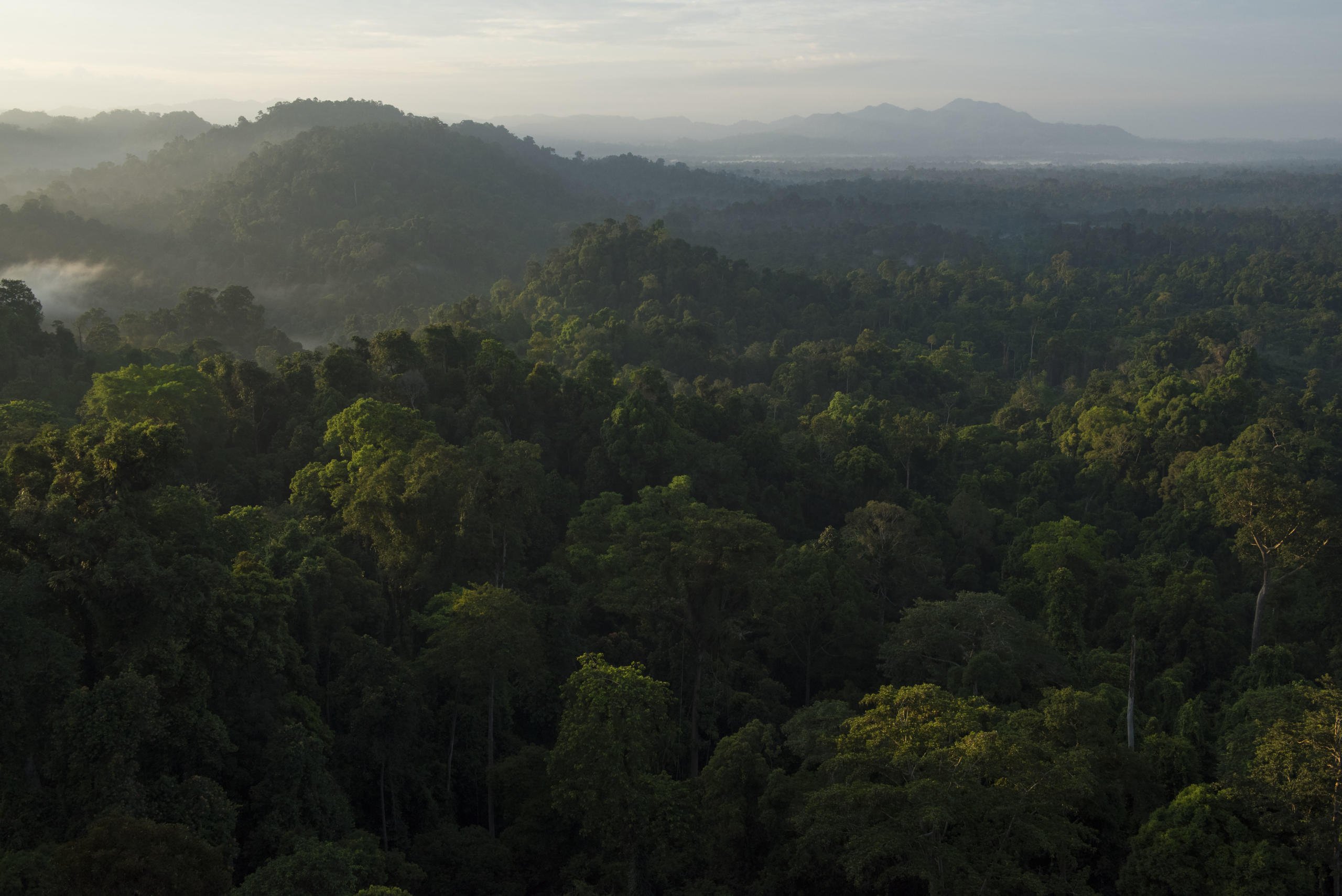
The volcanic Virunga Mountain Range and the Bwindi Impenetrable Forest form a forest system that sits astride the international borders of the Democratic Republic of Congo (DRC), Uganda and Rwanda. Established in 1925, the Virunga National Park is the oldest park in Africa and is unrivalled in its biological and geological diversity. Like Bwindi, it is also a UNESCO world heritage site. With their mosaic of different ecosystems, both areas exhibit a biodiversity of global importance. The region is extremely species-rich and harbours more endemics (species that occur nowhere else on earth) than any other park in Africa. Virunga also has one of the largest volcano lava lakes and the greatest landscape diversity between 3,000 and 16,000 feet in the world.

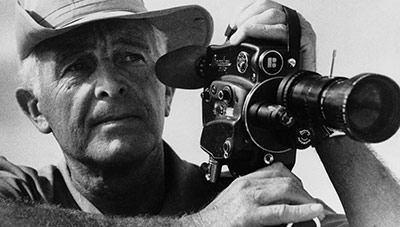
One of the first conservationists to discover the importance of the Virungas was Prof. B. Grzimek who pleaded for their conservation more than 30 years ago. Unfortunately, this border region has also been the site of terrible conflict and civil war, with the 1994 Rwanda genocide and the wars in Congo in 1996-7, 1998-2003. FZS resumed the program for the protection of the mountain gorillas and chimpanzees in Virunga National Park in 2002 as security in the region increased.

Today, there are only approximately 670 mountain gorillas (Gorilla beringei beringei) alive. About half of them live in the mountainous forests around the Virunga volcanoes, while a second population lives in the Bwindi National Park in Uganda. There are currently none in captivity. Mountain gorillas are therefore not only one of the rarest, but also one of the most threatened, mammals on earth. In the past three years, the political disturbance in the DRC, as well as numerous fugitives from neighbouring Rwanda, has put great pressure on the National Park. Fertile volcanic soils make the region one of the most cultivated and densely populated regions in Africa, with crop fields right up against the park boundaries and more than a thousand people per square mile. The charcoal that constitutes 98 percent of a household’s energy source comes from the forests inside the park. Destruction of the forest habitat and a recent increase in poaching pose a huge threat to the last mountain gorillas in existence. Without intense monitoring by the National Park rangers, mountain gorillas and their forest habitat will disappear in front of our eyes.

SPECIFICS OF THE PROJECT
  • Improvement of infrastructure in support of effective operations in the Virunga National Park
  • Support of General Management Plan process
  • Capacity building of ICCN staff and partners and establish training opportunities for Virunga National Park rangers
  • Gain better understanding of natural resource use and needs, and costs and benefits to communities from wildlife
  • Support of tourism development
  • Provision of medicines and medical equipment for park rangers
PROJECT LEADER

Robert Muir

PROJECT PARTNERS

Institute Congolaise pour la Conservation de la Nature (ICCN)
International Gorilla Conservation Programme (IGCP)
WildlifeDirect
Worldwide Fund for Nature (WWF)
Agro Allemand Action
European Union
Zoological Society of London
Wildlife Conservation Society
US Fish and Wildlife Services
FFI Rapid Response Facility
Paul Nuun Memorial Fund

AB 3/12/08